How to Choose a Moving Company
How to check that a mover is licensed, get estimates you can compare, choose how your things are protected and spot the red flags, using the federal government's own rules.
From Barreleyes: snap a room and get the list of everything in it, each item named and sized. See how it works


In this guide
The short answer
- Check that the mover is licensed. For a move to another state, look it up in the federal mover search.
- Get at least 3 written estimates, each from a mover who has seen your things, at your home or on a video call.
- Know which kind of estimate you have: binding (a set price) or non-binding (at delivery you pay no more than 10 percent over it).
- Choose your protection on purpose. The free option pays no more than 60 cents per pound for each item.
- Walk away from a demand for cash or a large deposit, blank papers, or a price given without seeing your things.
Most moves go smoothly. The ones that go wrong usually go wrong before moving day: a price given without seeing the home, a company that is not licensed, or protection the customer did not know they had given up. The checks below take an evening, and they are the ones the federal government itself recommends.
Check That the Mover Is Licensed
For a move to another state, the mover must be registered with the Federal Motor Carrier Safety Administration (FMCSA), the part of the United States Department of Transportation that oversees interstate movers, and must have a United States Department of Transportation number, often written USDOT number.
Look the company up in the agency's mover search. It shows:
- where the company has its headquarters, and how to contact it
- whether its registration is active
- what kind of business it is: a mover that carries your things, or a broker that arranges the move
- its complaint history and its safety information
Ask for the number before you book, and check that the name in the search matches the name on your estimate.
For a move within one state, the rules depend on the state. The agency's advice is to check with your state, county or local consumer affairs office, or your state attorney general. Many states license movers themselves and have their own lookup.
A Mover or a Broker
A mover owns its trucks, employs its crews and is responsible for your things. A broker owns no trucks: it arranges the move and hires a mover to do it. For a move to another state, both must be registered. A broker must give you a list of the movers it uses, may only use registered movers, and must base its estimate on the prices of the mover that will carry your things. If you are talking to a broker, ask which company will arrive on moving day, and check that company too.
Get 3 Written Estimates From a Survey
For a move to another state, the federal rules say your estimate must be in writing and based on a survey of your things, done at your home or virtually, so that the mover sees what is moving. A price given over the phone is not an estimate.
Get at least three, and ask each mover to price the same move: the same rooms and items, the same packing help, the same dates. Then the estimates compare like for like, and a price far below the others stands out. The cheapest is not always the best: the agency warns that choosing on price alone can cost you a safe, on-time delivery.
Show every mover every room, including closets, the basement, the garage and anything already in storage. What they do not see is not in the price.
Binding and Non-Binding Estimates
| Kind | What you pay at delivery | Good to know |
|---|---|---|
| Binding | The amount on the estimate | Add items or services and you and the mover agree in writing, before loading, to keep it, write a new one, or turn it into a non-binding estimate. The mover may charge to prepare it. |
| Non-binding | No more than 110 percent of the estimate | The final price follows the actual weight and services. Anything above 110 percent is billed to you after 30 days. |
Either way, an estimate can only change before your things are loaded. A mover who says it will work out the price after loading is on the agency's list of red flags.
Choose How Your Things Are Protected
Every interstate mover is responsible for what it carries, at one of two levels:
| Level | What the mover pays if something is lost or damaged | Cost to you |
|---|---|---|
| Full value protection | Repairs it, replaces it with one of like kind and quality, or pays what that costs | Extra; the price depends on the mover and the deductible you choose |
| Released value | No more than 60 cents per pound for each item | No extra charge |
The gap is large. In the government's own example, a 10 pound stereo worth $1,000 that is lost brings $6.00 under released value.
- Full value is the starting point. Your first estimate must include it, and your things travel at that level unless you sign a waiver. Read anything about valuation before you sign it.
- Its minimum. The federal booklet sets the minimum value for full value protection at $6.00 per pound times the weight of your shipment. You can declare more, at extra cost.
- List anything worth more than $100 per pound, such as jewelry, silverware, china, furs and antiques, on the shipping papers. If it is not listed, the mover can limit what it pays for it.
- This is not the mover's own insurance. Its business insurance covers its trucks, buildings and staff. You can also buy separate insurance from a third party, and check your home insurance policy first: it may already cover a move.
Deposits and Red Flags
There is no set federal amount for a fair deposit. What the agency warns about is a mover that demands cash or a large deposit before the move. Pay by card where you can, and if you do pay cash, keep every receipt.
The other red flags on the agency's list. Walk away if the mover:
- gives a price by phone or online without seeing your things
- will not put the estimate in writing, or says it will set the price after loading
- asks you to sign blank or unfinished papers
- does not give you the booklet Your Rights and Responsibilities When You Move and the Ready to Move brochure, which interstate movers must supply
- has a website with no local address and nothing about its registration or insurance
- says all of your things are covered by its insurance
- answers the phone with "Movers" or "Moving Company" instead of its name
- turns up in a rental truck instead of its own marked truck
- says on moving day that you have more than it estimated
Read the Reviews the Right Way
- Start with the complaints. For a move to another state, the federal mover search shows each company's complaint history. Your local Better Business Bureau and consumer protection office keep their own.
- Read the bad reviews, recent ones first. Look for the same story told more than once: the price rising on moving day, things held until more is paid, damage claims ignored. Then look at how the company answered.
- Check it is the same company. A name that matches the one on your estimate and in the mover search is a good sign. A company that seems to have several names is not.
What to Ask Before You Book
- Are you the mover, or a broker? If a broker, which company will come?
- What is your USDOT number?
- Is this estimate binding or non-binding, and is everything I showed you in it?
- What do stairs, an elevator, a long walk to the truck or a smaller shuttle truck add?
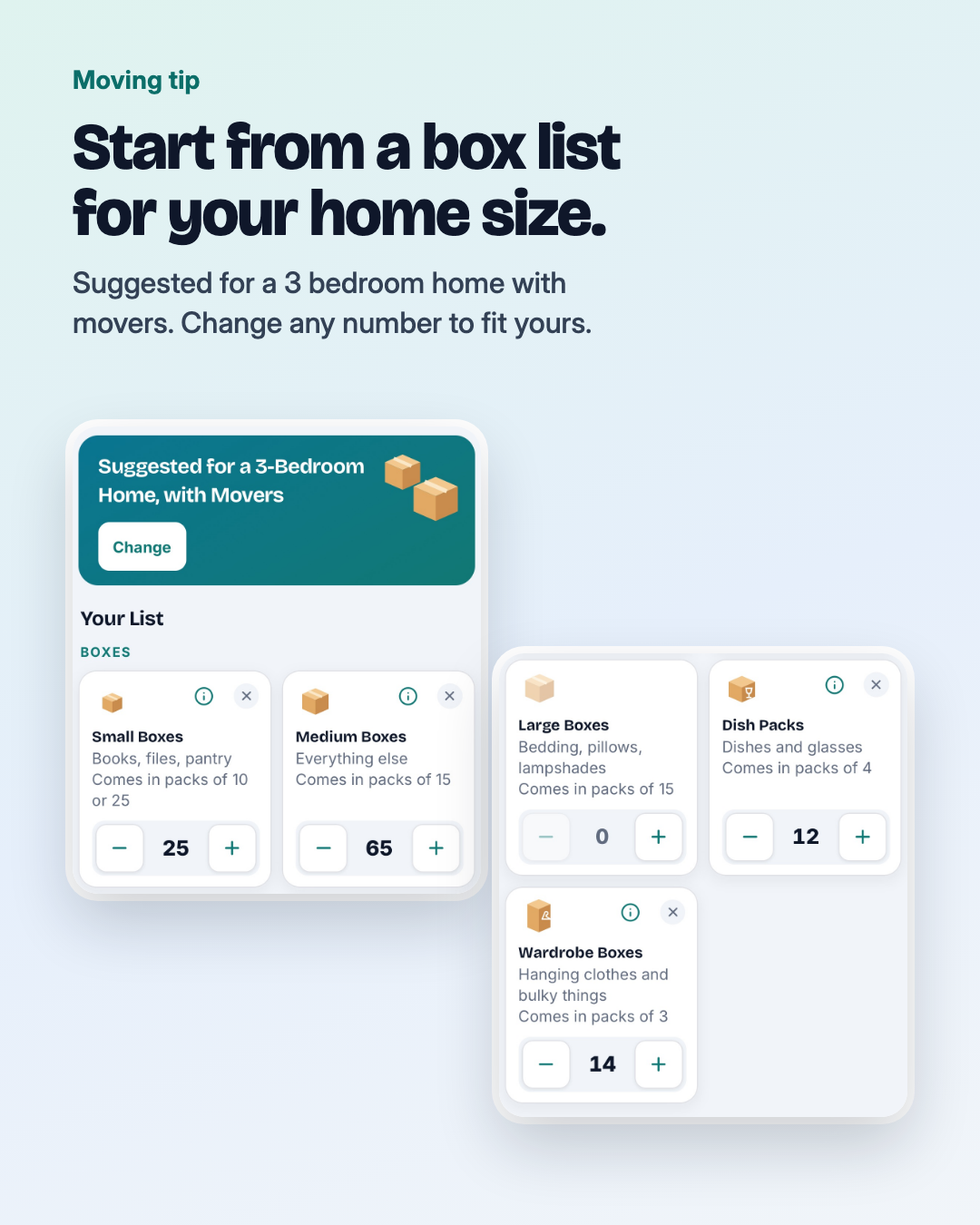
- Is packing included, and what do boxes cost?
- What does full value protection cost, and with which deductible?
- How much deposit do you take, and how can I pay it?
- Will your own crew and trucks do the move?
- What is the delivery window, and what happens if my new home is not ready?
- How do I make a claim if something is damaged?
Questions People Ask
How Do I Check If a Moving Company Is Licensed?
For a move to another state, look the company up by name or by its USDOT number in the Federal Motor Carrier Safety Administration's mover search. It shows whether the registration is active and the company's complaint history. For a move within one state, check with your state's consumer affairs office or attorney general.
What Is the Difference Between a Binding and a Non-Binding Estimate?
A binding estimate is the price you pay, as long as you do not add items or services. With a non-binding estimate the final price follows the actual weight and services, and the mover cannot make you pay more than 110 percent of the estimate at delivery.
Can a Mover Give an Estimate Over Video?
Yes. The federal rules count a survey done virtually, as long as the mover sees the things that are moving. A price given without seeing them, by phone or a web form, is a red flag.
How Much Deposit Should a Moving Company Ask For?
There is no set federal amount. The warning sign is a demand for cash or a large deposit before the move. Pay by card where you can, and keep every receipt.
Do I Need Moving Insurance?
Full value protection from your mover is in the first estimate unless you waive it. If you choose released value instead, you get no more than 60 cents per pound for each item, so check whether your home insurance covers a move, or buy separate insurance.
How Far Ahead Should I Book a Mover?
From our own moving experience, 4 to 8 weeks ahead is comfortable, and earlier for summer, the movers' busiest season, when rates are higher.
How Barreleyes Makes This Faster
The hardest part of comparing movers is making sure they all price the same move. Barreleyes gives each of them the same list.
- Your rooms as a list. A few photos or a short video of a room give you a list of what is in it, each item with its photo, its size and its cubic feet. Check it and fix anything it missed or got wrong.
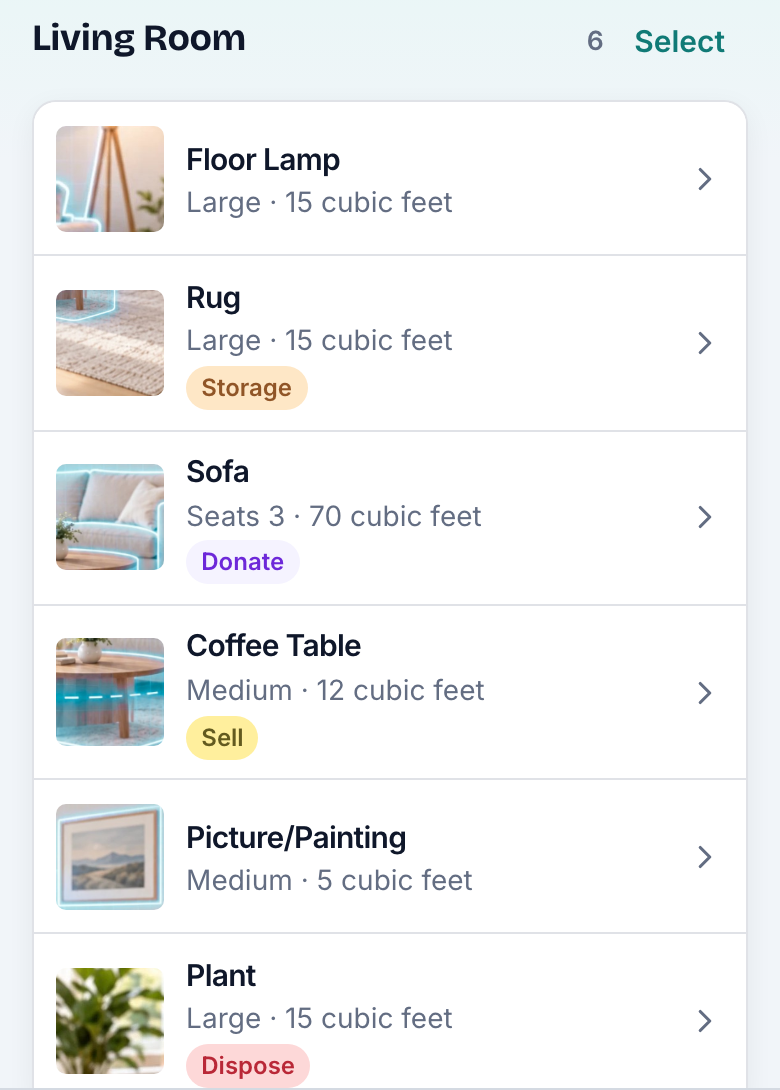
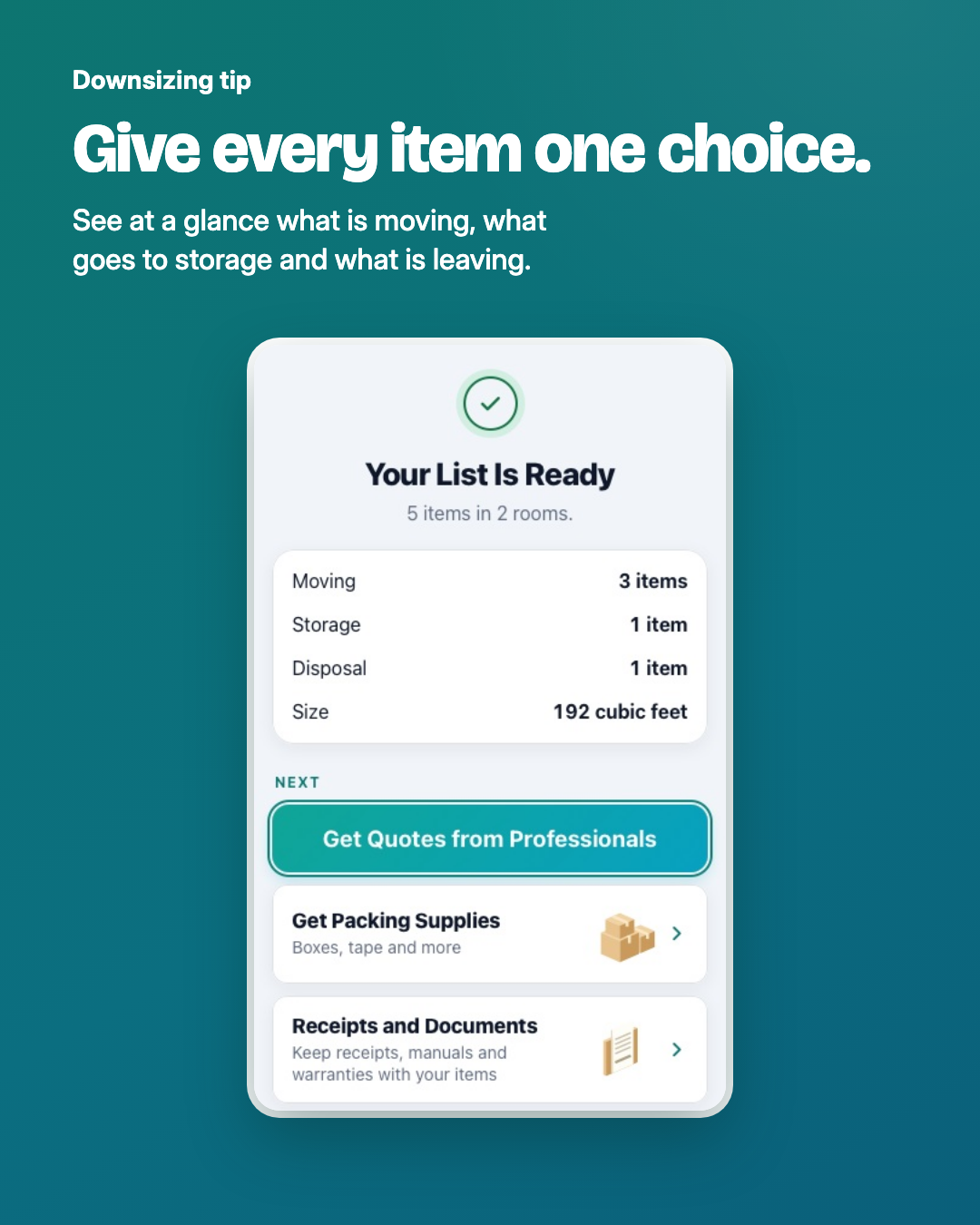
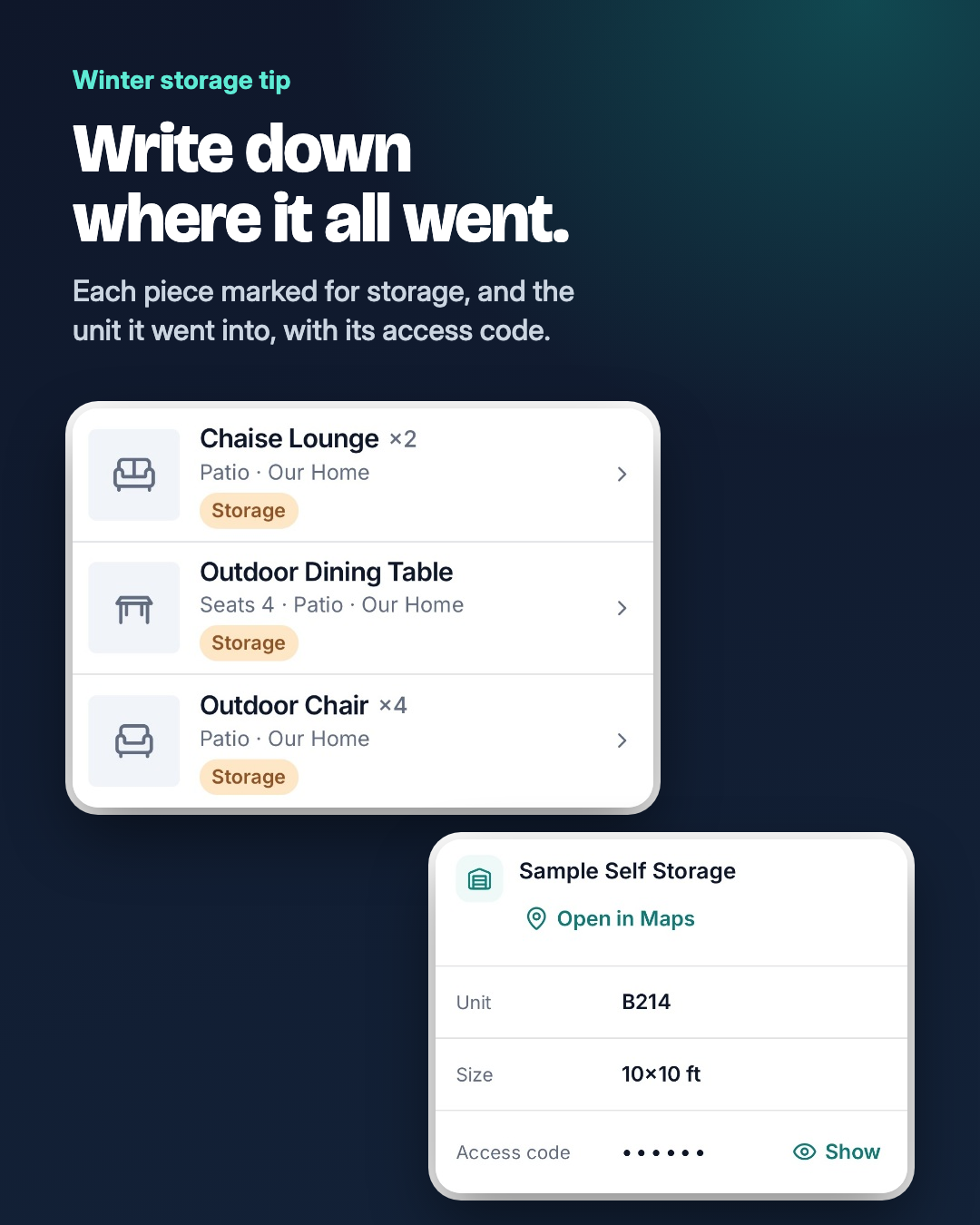
- Only what is moving. Mark each item Moving, Storage, Donate, Sell or Dispose, so the list matches the move you are making.
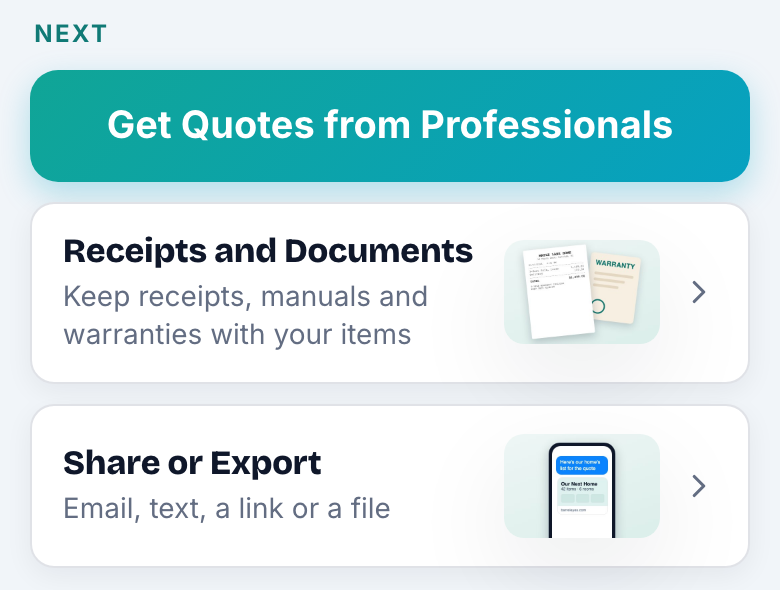
- The same list to every mover. Get Quotes from Professionals looks for movers near your move's start address. Tick up to five and send them your list in one message, or share it by email, text or a link with movers you already know. Each sees every item with its photo and size, the same list you do.
- Ready for the survey. Go through the list with each mover, at your home or on a video call, so nothing in a closet or the garage is forgotten.
Sources
- Federal Motor Carrier Safety Administration, Protect Your Move.
- Federal Motor Carrier Safety Administration, Your Rights and Responsibilities When You Move, revised October 2022.
- Federal Motor Carrier Safety Administration, Steps to Select a Mover.
- Federal Motor Carrier Safety Administration, Spot the Red Flags.
- Federal Motor Carrier Safety Administration, Search for a Registered Mover, and its mover search.
- Federal Motor Carrier Safety Administration, Movers vs. Brokers.
- Federal Motor Carrier Safety Administration, Glossary.
- Federal Motor Carrier Safety Administration, How do I insure my belongings during a move?
- Reviews, booking time and the questions to ask: Barreleyes, from our own moving experience.
All sources read 22 November 2026.